
guides
MailSlurp API Key Setup: Secure Configuration for HTTP and SDK Clients
Learn where to find your MailSlurp API key and how to configure it securely for curl requests, SDK clients, and CI pipelines.
MailSlurp API access requires an API key in the x-api-key header. This guide focuses on secure setup patterns, not just copy-paste examples.
1) Create or access your account
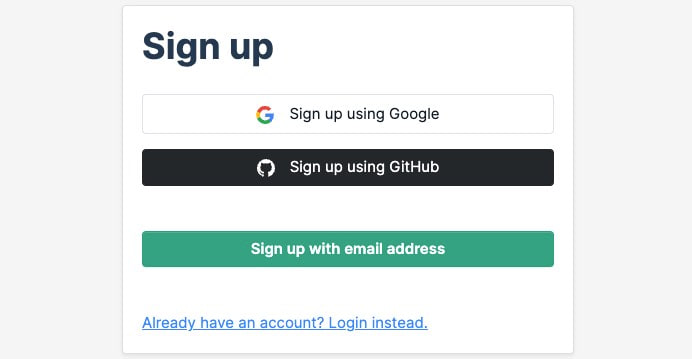
Sign up or log in:
2) Find your API key
After login, open the dashboard and copy your key from the API section.

3) Store keys by environment
Do not hardcode keys in source files.
Recommended layout:
- local development: shell environment variable
- CI: secret store (GitHub Actions, CircleCI contexts, etc.)
- production services: cloud secret manager + rotation policy
export MAILSLURP_API_KEY="your-key"
4) Use the key in HTTP requests
curl -sS -X POST "https://api.mailslurp.com/inboxes" \
  -H "x-api-key: ${MAILSLURP_API_KEY}" \
  -H "Content-Type: application/json"
If you receive 401 or 403, first verify key source and environment injection.
5) Configure SDK clients
Most SDKs use the same header under the hood.
Node.js example:
import { MailSlurp } from "mailslurp-client";

const mailslurp = new MailSlurp({
  apiKey: process.env.MAILSLURP_API_KEY,
});

const inbox = await mailslurp.createInbox();
console.log(inbox.emailAddress);
More SDK references: developer docs.
Security checklist
- rotate keys on a schedule and after team changes
- keep separate keys for local, CI, and production systems
- scope usage per service where possible
- redact keys from logs and error messages
- audit old or unused keys regularly
Common mistakes
Using the wrong header name
Use x-api-key (not Authorization: Bearer ... unless a specific SDK layer requires it).
Checking keys into git
If a key is exposed, rotate it immediately and clean affected history where necessary.
Sharing one key across all systems
Split keys by environment so revocation and incident handling are safer.