
guides
MailSlurp Organizations Guide: Team Access, Invites, and SSO
Set up a MailSlurp organization for team access, invite members safely, configure SSO, and keep shared inbox workflows secure.
MailSlurp organizations let teams collaborate in one managed workspace with shared access controls.
When to use organizations
Use organizations when you need:
- shared access to inbox and testing workflows
- controlled onboarding/offboarding for teammates
- centralized identity with SAML or OIDC SSO
- cleaner separation between personal and team usage
Prerequisites
- plan with organization support
- admin user responsible for membership lifecycle
- defined login policy (passwordless, password, or SSO)
Step-by-step setup
1) Create an organization
Sign in to app.mailslurp.com and open the organizations area.
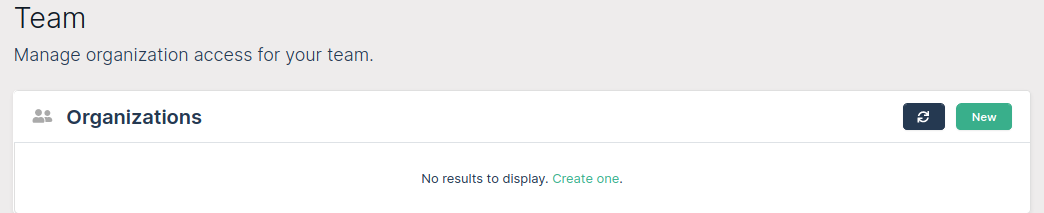
Choose an organization slug carefully. It becomes part of your team login URL.
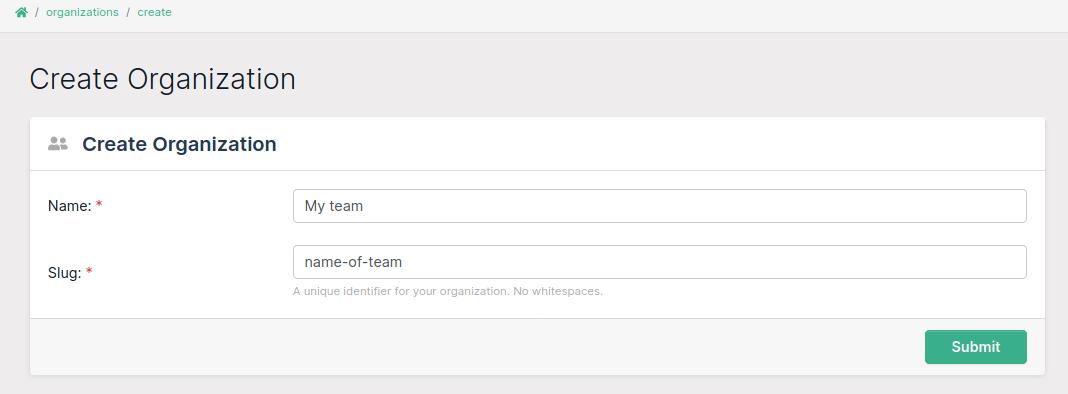
2) Invite team members
Add users by email from the organization page.
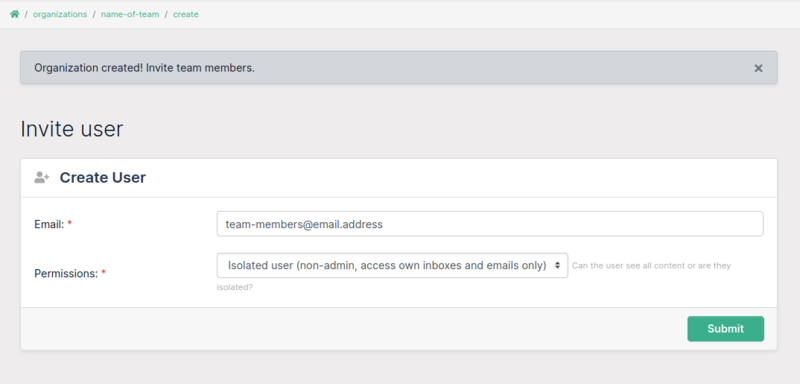
Users receive an invite flow and should authenticate through the organization route.
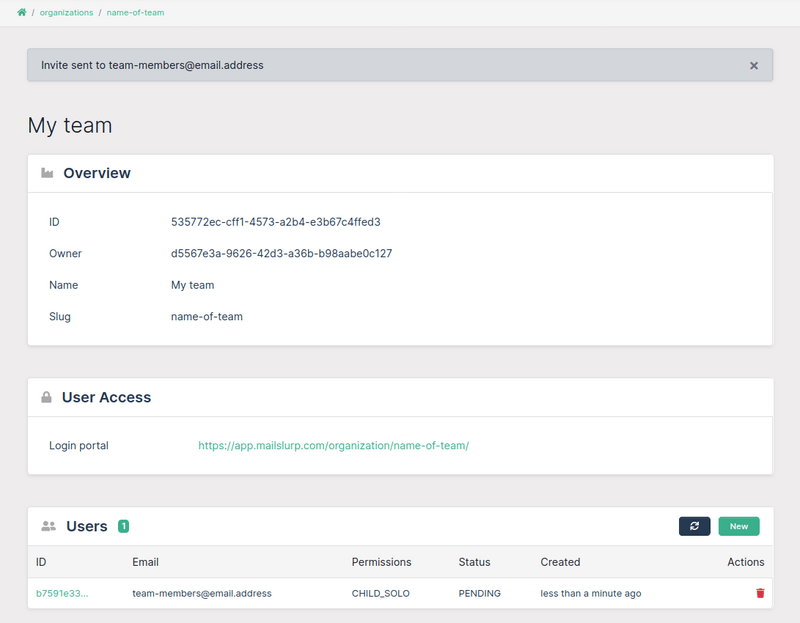
3) Share the correct login portal
Organization users should sign in via the organization-specific entry path, not the generic personal portal.
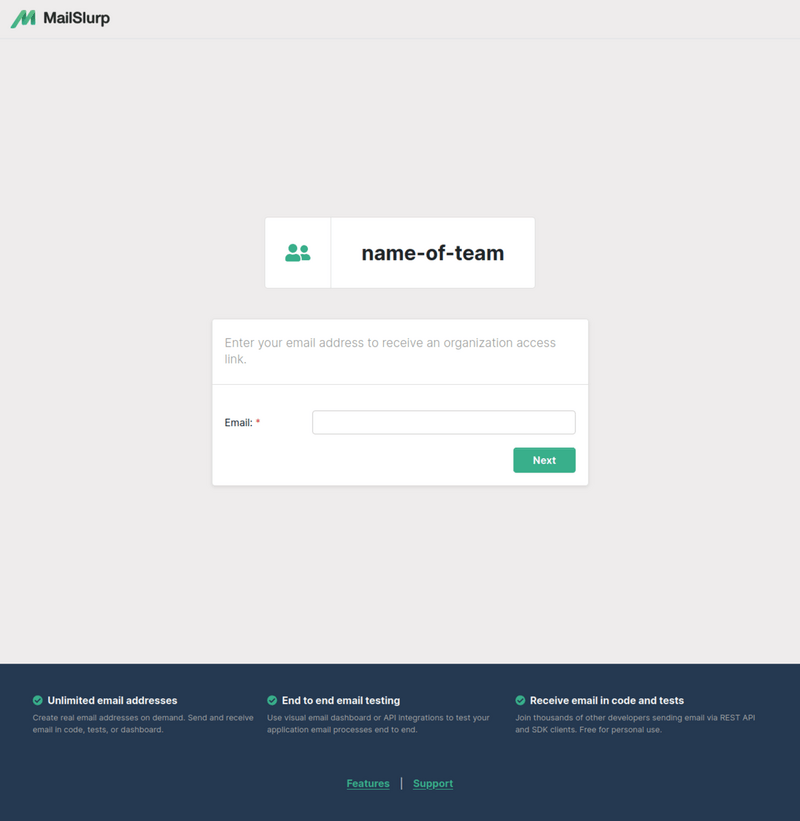
4) Verify successful team access
After login, users should see organization context in their dashboard.

Optional: enable enterprise SSO
For enterprise identity governance, configure SAML or OIDC:
- SAML SSO organization guide
- OIDC SSO setup
- Microsoft Entra OIDC and SCIM environment guide
- Okta OIDC and SCIM environment guide
Use SSO when you need lifecycle automation tied to your identity provider, or when users should land in assigned MailSlurp environments from an identity provider app tile.
Operational best practices
- keep at least two organization admins
- review membership monthly
- remove users immediately after role changes
- avoid shared credentials; use named accounts and scoped keys
- use organization governance and quotas to review seats, usage, tags, quota events, and API key consumption
- use notifications to route account, billing, quota, and render alerts to connected channels